🥦 Exotic vegetables farming business — investment, profit & project report
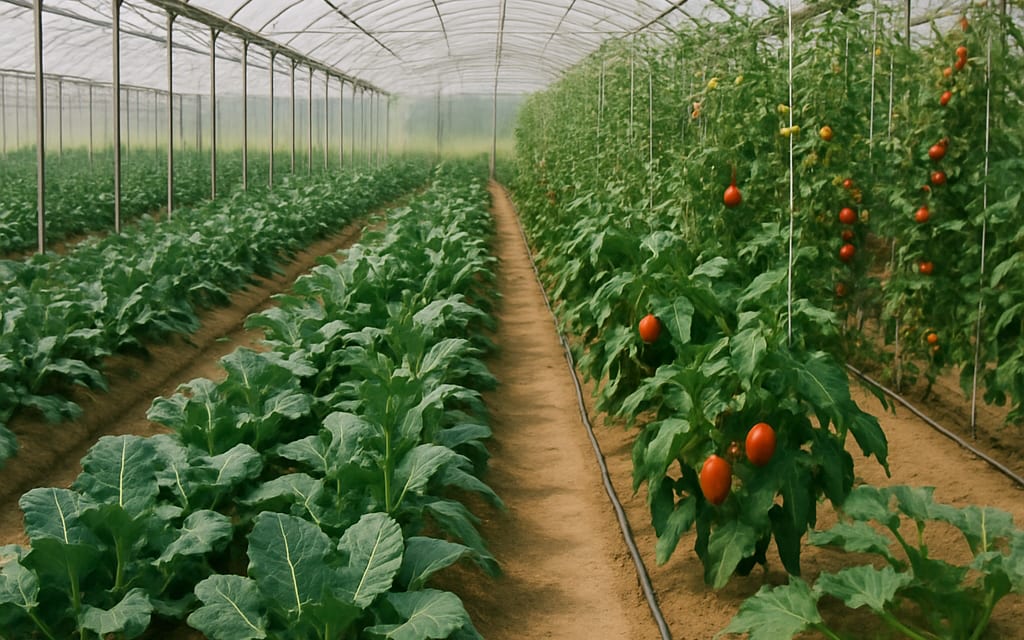
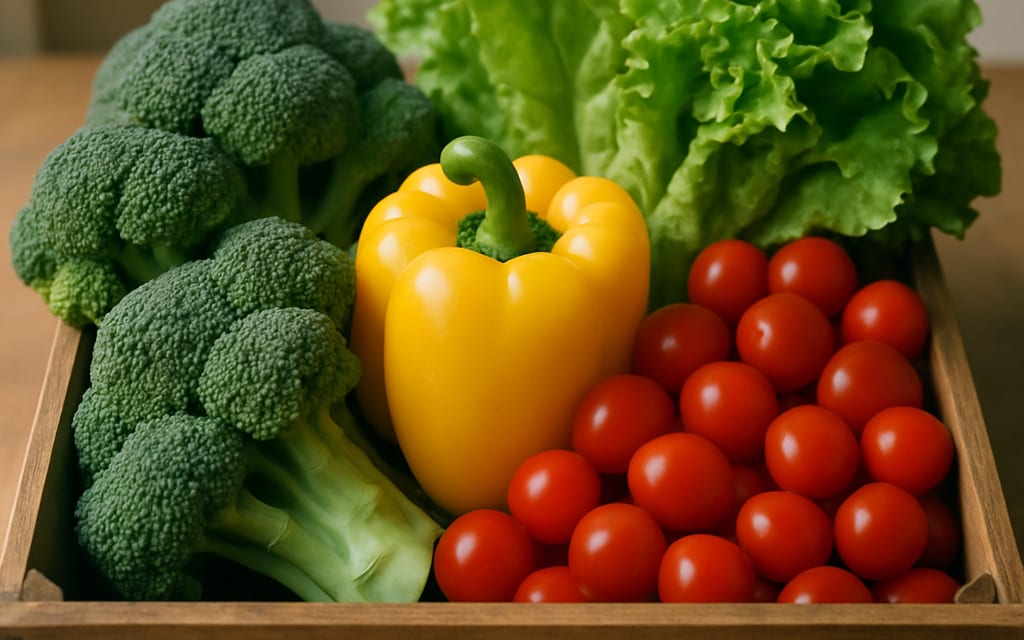
Plan a peri-urban polyhouse exotic-veg operation (broccoli, bell pepper, cherry tomato, lettuce, zucchini): polyhouse capex, yield mix, premium hotel-grade pricing, post-harvest loss, break-even and 5-year profit. Currency-aware (₹/$/€/£/¥ — pick from the header dropdown). Includes downloadable project report in Word & PDF for NHB / bank loan applications.
📸Gallery
📋Eligibility — by region
🇮🇳India
- NHB / MIDH 50% polyhouse subsidy (up to ₹56L/ha for fan-pad cooled structure).
- GAP (Good Agricultural Practice) certification optional but required for 5-star hotel supply. FSSAI mandatory if value-added (pre-cut, washed).
- APEDA registration for export. Cold-chain access (within 50 km of hotel cluster) is critical.
🇺🇸USA
- USDA GAP / GroupGAP certification for institutional supply. FSMA Produce Safety Rule compliance.
- State Department of Agriculture grower licence. NRCS High Tunnel cost-share program.
🇬🇧UK
- Red Tractor Fresh Produce or GlobalGAP certification for supermarket supply.
- DEFRA grower register. APHA notification if greenhouse imports planting material.
🇪🇺EU
- GlobalGAP + EU Reg 178/2002 (food law) + country-specific GAP scheme (e.g., QS Germany, Vegaplan Belgium).
- Eligible for CAP Pillar II protected-cultivation grants.
🌏Australia / Canada
- AU: FreshCare or HARPS certification + state ag dept registration. CA: CanadaGAP + provincial dept of agriculture.
🏗️Setup requirements (capex breakdown)
Edit any value to match your local prices — totals update live and flow into the calculator below.
| Item | Specification | Cost (₹) |
|---|---|---|
| Polyhouse 1000 sqm | Fan-pad cooled, 200-micron UV film | |
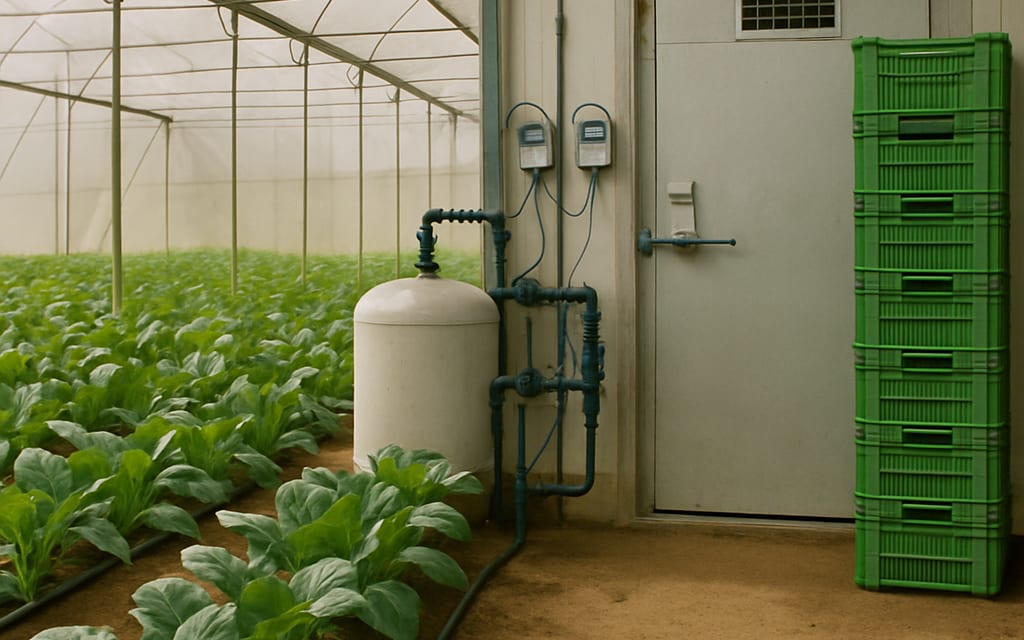
| Drip + fertigation | EC/pH meter + dosing pump | |
| Planting material + seed | F1 hybrid seed / nursery seedlings | |
| Pre-cooling + cold-chain | Pre-cool chamber + crates + insulated van | |
| Boundary + tools + transport | Fence, hand tools, van deposit | |
| Working capital (Y1 inputs) | Fertiliser + labour + utilities buffer | |
| Total capex | ₹14,90,000 | |
| Year | Revenue | Cost | Profit | Cumulative |
|---|
⚠️Risks & mitigation
- Cold-chain failure: Even 4-hour temperature breach can spoil lettuce / broccoli. Mitigate via redundant power (backup genset), pre-cooling at harvest, insulated transport. Budget 5–8% spoilage in plan.
- Premium-market dependency: A single 5-star hotel cancellation (e.g., off-season, F&B chef change) can wipe out 40% of revenue. Diversify across 3+ buyers — hotels, quick-commerce, premium retail (Nature's Basket / Foodhall) and HORECA distributors.
- Polyhouse extreme-heat damage: 200-micron UV film degrades at 4–5 years. Fan-pad coolers fail in 45°C+ summers — install shade-net top layer + redundant exhaust fans.
- Pesticide-residue rejection: Premium retail tests at MRL. One rejected batch → blacklisted from chain. Adopt IPM (yellow sticky traps, biological controls) and maintain spray log for traceability.
💰Funding & support programs
🇮🇳India
- NHB / MIDH: 50% subsidy on protected cultivation up to ₹56L/ha (fan-pad polyhouse).
- NABARD ACABC: Agri-Clinic & Agri-Business Centre scheme — 36–44% margin-money grant.
- PMFME: if doing value-add (pre-cut, salad mix) — 35% grant up to ₹10L.
- State hi-tech veg schemes: Maharashtra MahaDBT, Karnataka KVK, Gujarat hi-tech horticulture — 25–50% top-up.
🇺🇸USA
- USDA SCBG: Specialty Crop Block Grant — $50k–250k per state-administered project.
- USDA NRCS High Tunnel System Initiative: cost-share for high tunnels — typically $5–10k per tunnel.
- FSA Operating Loan: up to $400k for greenhouse + working capital.
🇬🇧UK
- DEFRA Farming Innovation Programme: R&D + technology grants up to 50%.
- Future Farming & Countryside Programme: productivity grants for controlled-environment agriculture.
🇪🇺EU
- CAP Pillar II: protected-cultivation grants 40–75% (Spain, Italy, Netherlands actively use).
- LEADER: local-action-group community funding.
- Horizon Europe: R&D for hydroponic / vertical / controlled-environment projects.
🌏Australia / Canada
- AU: Hort Innovation levy-funded R&D and market development.
- CA: Provincial Greenhouse Innovation programs (Ontario, BC) + AgriInnovate cost-share.
📄Generate project report (Word + PDF)
Fill in your details — defaults are pre-populated. Click Print as PDF for a browser-printable PDF or Download Word for an editable .docx file usable in NHB / bank loan applications.
❓FAQ
Open field vs polyhouse — which is better for exotics?
For broccoli, lettuce, zucchini — open field works in hill stations (Ooty, Kullu, Mahabaleshwar) with cool climate. For bell pepper and cherry tomato — polyhouse is essentially mandatory in tropical India to control temperature, humidity and pest pressure and to hit hotel-grade visual specs.
What's the realistic price premium over local vegetables?
Hotel-grade coloured bell pepper sells at ₹120–180/kg vs local capsicum ₹40–60/kg. Cherry tomato ₹150–250/kg vs regular ₹30/kg. Broccoli ₹80–120/kg. Lettuce ₹80–150/kg. The premium funds the polyhouse capex — but only if you can consistently hit visual + size specs.
How do I land my first 5-star hotel contract?
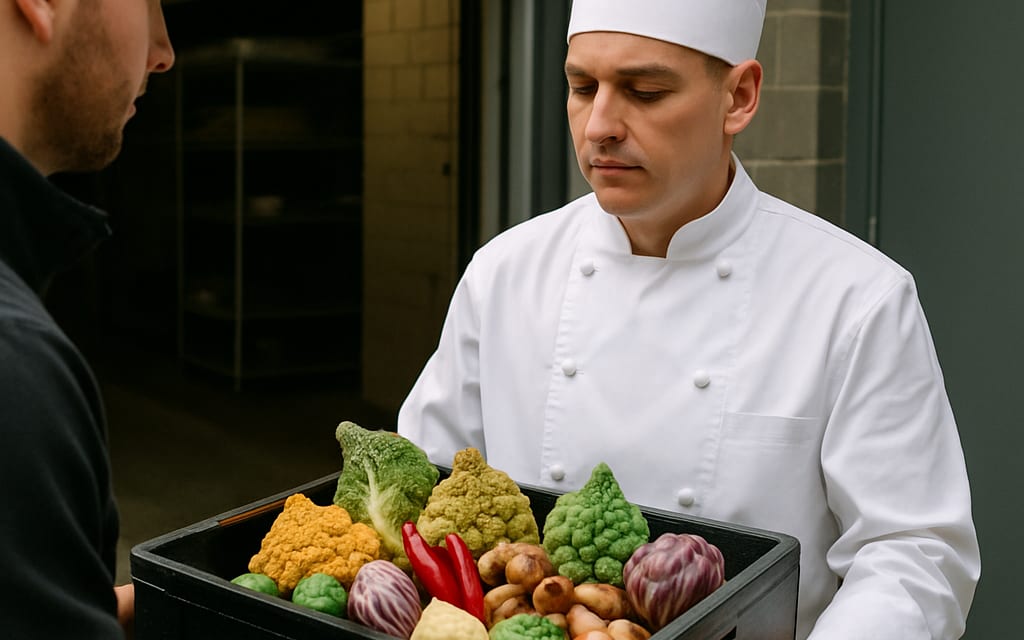
Approach the Executive Chef directly with a tasting basket (not the purchase manager). Bring GAP certificate or a credible food-safety plan. Most hotels want 3–5 weeks of consistent supply trial before signing a monthly purchase order. Expect 30–60 day payment terms.
What about quick-commerce (Zepto / Blinkit / Instamart)?
Quick-commerce platforms pay better than mandi (~₹70–110/kg for bell pepper) and pickup is daily. But pack-size discipline (250g / 500g punnets with barcoded labels) and grading consistency are non-negotiable. Reject rates above 5% trigger delisting.
Is the 50% NHB polyhouse subsidy realistic?
The cap is ₹56L/ha but the effective receipt after back-ended release, bank-channel routing, civil-work inspection and documentation is typically 40–45% of capex, not the headline 50%. Plan working capital assuming subsidy hits only in month 12–18.