🫓 Papad making business — investment, profit & project report
Plan a home or shed-based papad-making unit (the Lijjat model). Calculate machine capex, daily dough output, dal + spice cost, packaging, monthly profit and break-even. Currency-aware (₹/$/€/£/¥ — pick from the header dropdown). Includes downloadable project report in Word & PDF for loan applications.
📸Gallery
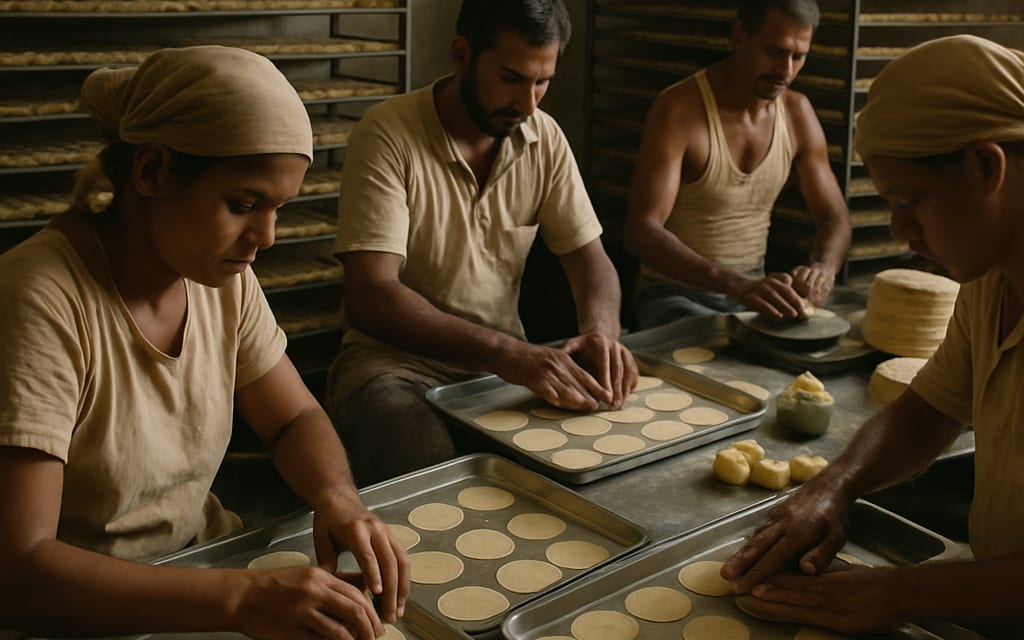
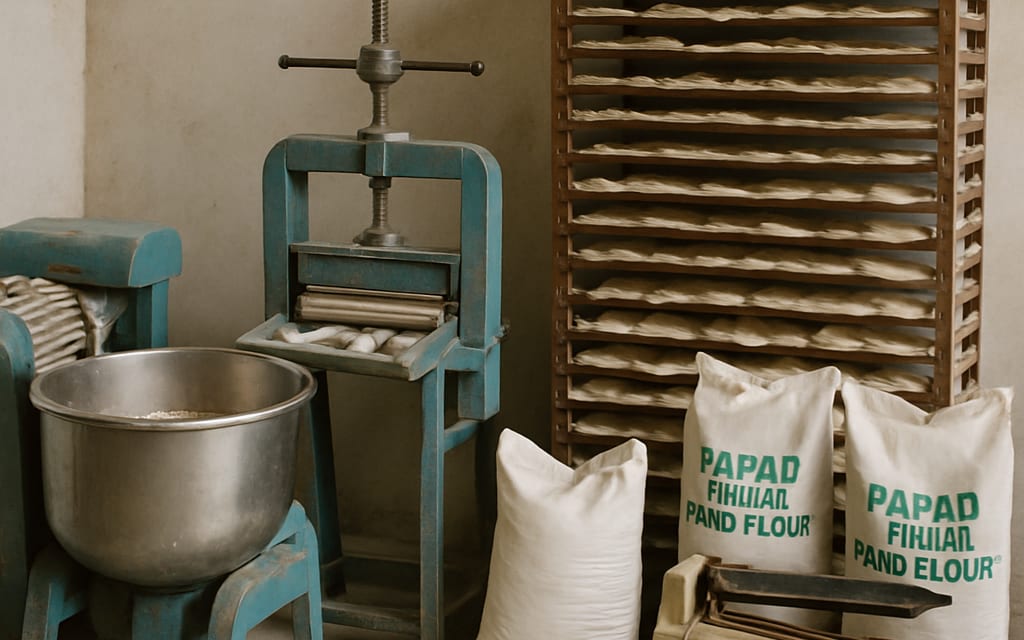
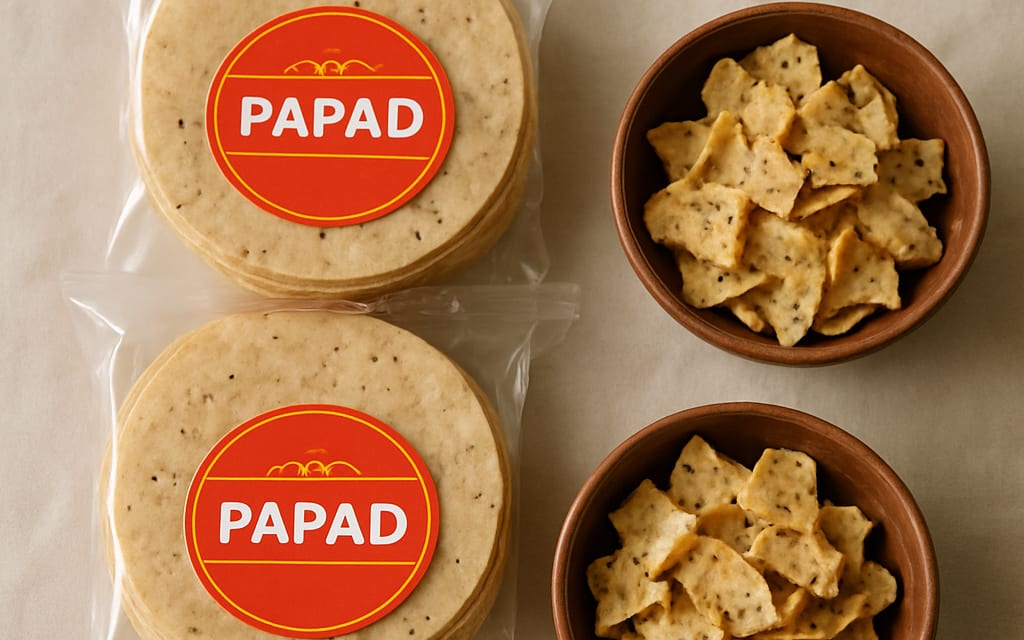
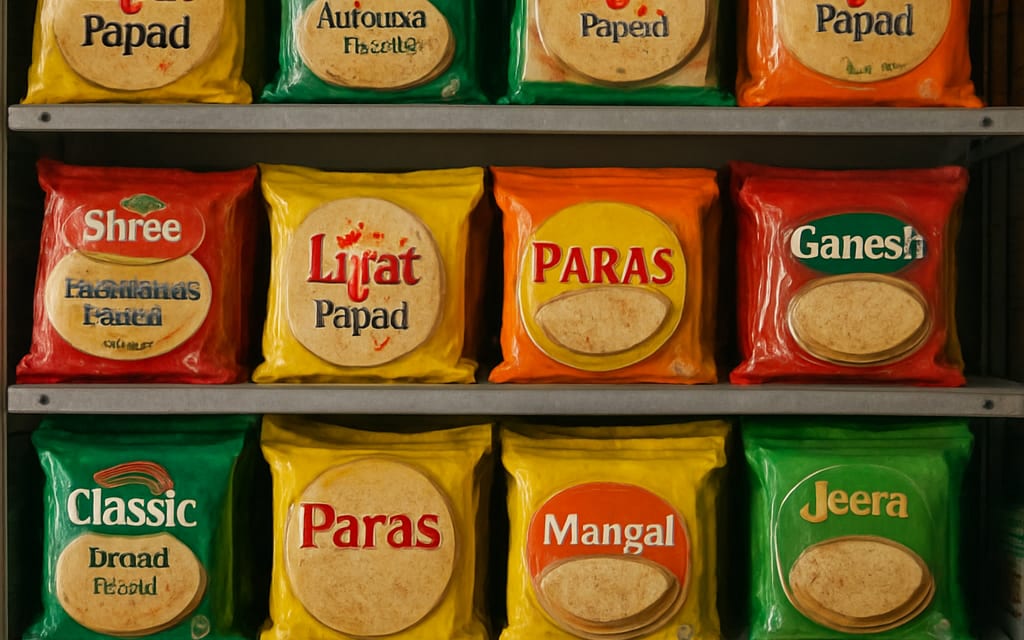
📋Eligibility — by region
🇮🇳India
- FSSAI Basic registration (turnover < ₹12L) or State licence (₹12L–₹20Cr). Turnover-based.
- MSME Udyam registration to unlock PMFME / PMEGP / MUDRA subsidies.
- KVIC eligibility under Khadi & Village Industries scheme — preferential for women-led SHGs.
🇺🇸USA
- USDA / FDA food-facility registration. State cottage-food laws (where applicable) allow home-based papad production up to a state-specific revenue cap.
- Allergen labelling (legumes, sesame) is mandatory under FALCPA.
🇬🇧UK
- FSA food-business registration (28 days before trading). Allergen labelling under Natasha's Law (PPDS) for pre-packed-for-direct-sale items.
- Local council environmental health inspection.
🇪🇺EU
- EU Regulation 178/2002 general food law + country-level food-business registration + EU allergen labelling (FIC reg).
🌏Australia / Canada / others
- AU: state food-act notification + FSANZ standards. CA: CFIA Safe Food for Canadians Regulations + provincial health unit.
🏗️Setup requirements (capex breakdown)
Edit any value to match your local prices — totals update live and flow into the calculator below.
| Item | Specification | Cost (₹) |
|---|---|---|
| Papad-making machine | Semi-auto or manual press | |
| Dough mixer + sieve | 10–20 kg batch | |
| Raw material initial stock | Urad / moong dal + spices + oil | |
| Drying racks + tarpaulin shed | 200 sqft drying area | |
| Packaging machine + sealer | Pouch sealer + scale | |
| Working capital (1 month) | Salaries + utilities buffer | |
| Total capex | ₹2,50,000 | |
| Year | Revenue | Cost | Profit | Cumulative |
|---|
⚠️Risks & mitigation
- Drying-weather dependency: Monsoon stalls open-air drying. Mitigate with a covered shed + electric dehydrator backup (adds ~₹50k capex but saves 3 months of revenue annually).
- Lijjat / brand-cooperative competition: Lijjat dominates ~40% of organised papad market. Compete on regional flavours (jeera, masala, sabudana) and B2B with local kirana / online D2C.
- Dal price spikes: Urad dal swings 30–50% seasonally. Buy 2-month buffer at harvest. Substitute moong / rice blends where recipe permits.
- Shelf-life management: Papad has 6–9 month shelf life if dried < 8% moisture. Invest in a moisture meter — sub-optimal drying triggers fungal spoilage in monsoon stocks.
💰Funding & support programs
🇮🇳India
- PMFME (PM Formalisation of Micro Food Enterprises): 35% capital subsidy up to ₹10L on capex for food micro-units.
- KVIC PMEGP: 15–35% margin-money grant for new village-industry units.
- NABARD ACABC for agri-entrepreneurs + Mahila Coir Yojana / women-SHG schemes.
- MUDRA Shishu / Kishor: ₹50k–₹5L collateral-free loan.
🇺🇸USA
- SBA Microloan: up to $50k for equipment + working capital.
- USDA Rural BDP + Rural Women Entrepreneurship grants.
🇬🇧UK
- Start Up Loans: £500–£25k at ~6% APR.
- Women in Enterprise programme + Prince's Trust enterprise.
🇪🇺EU
- ESF Plus skills + entrepreneurship grants.
- Country microfinance: France ADIE, Spain Microbank.
🌏Australia / Canada
- AU: New Enterprise Incentive Scheme (NEIS).
- CA: Western Economic Diversification (WD) Women Entrepreneurship Strategy.
📄Generate project report (Word + PDF)
Fill in your details — defaults are pre-populated. Click Print as PDF for a browser-printable PDF or Download Word for an editable .docx file usable in bank loan applications.
❓FAQ
Can I start papad-making from home?
Yes — in India under FSSAI Basic (turnover < ₹12L). Most US states allow it under cottage-food laws with a revenue cap (typically $20k–$50k). UK requires FSA registration + local council inspection but no separate premises.
Manual vs semi-automatic press — which is better?
Manual hand-press (₹15–25k) suits < 20 kg/day. Semi-auto pneumatic press (₹70k–1L) handles 40–80 kg/day with consistent thickness. Fully automatic lines (₹3–5L) only pay off above 100 kg/day.
What dal mix gives best margins?
Pure urad dal papad commands premium prices but dal cost eats 50%+ of revenue. Blended urad + moong + rice (60/30/10) keeps cost at ~35% with very little customer-side quality difference for everyday use.
How do I handle monsoon drying?
Build a polycarbonate-roofed drying shed with cross-ventilation. Add 4–6 box-fans for forced-air drying. An electric dehydrator (₹40–60k) is the gold-standard backup but raises energy cost ₹15–25/kg.
Should I sell under my own brand or supply Lijjat-style?
Own brand earns 2–3× more per kg but needs marketing investment + retailer onboarding. Contract-supply to a regional brand is easier cash flow but the brand owns the customer. Many start as contract-suppliers and migrate to own-brand after year 1.