🐌 Snail farming (heliciculture) business — investment, profit & project report
Plan a small heliciculture (edible snail) farm: net-house sizing, breeding stock, egg-clutch yields, grow-out cycle & escargot export pricing. Currency-aware (₹/$/€/£/¥ — pick from the header dropdown). Includes downloadable project report in Word & PDF for PMFME / niche-food loan applications.
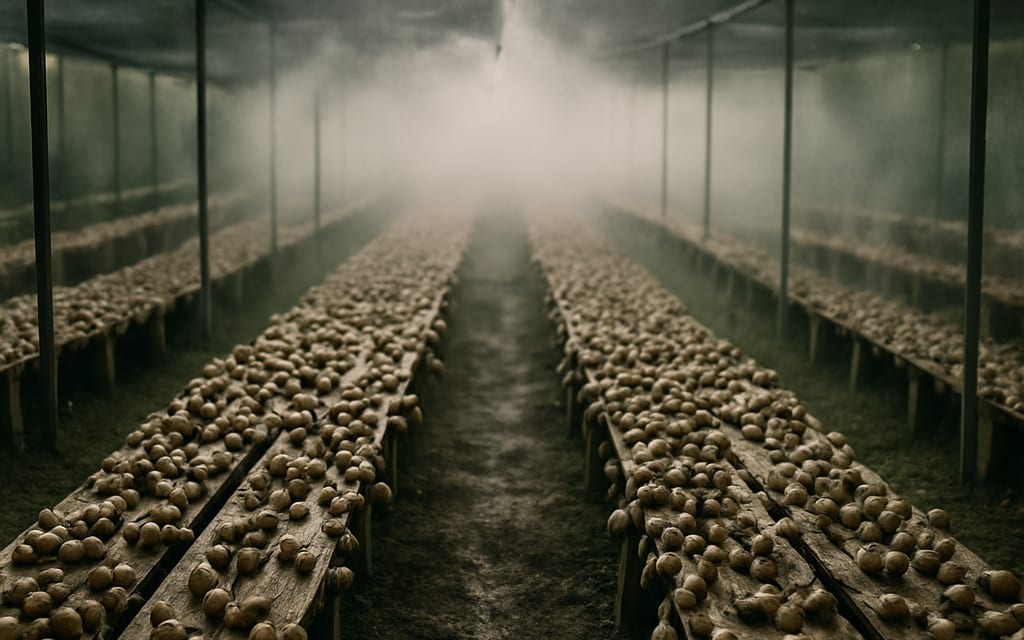
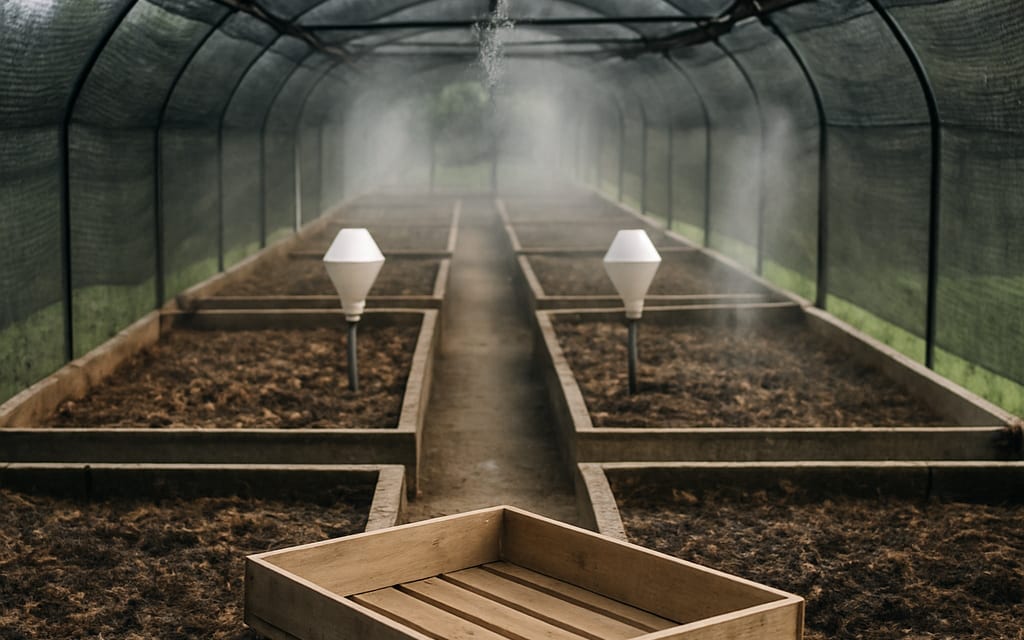
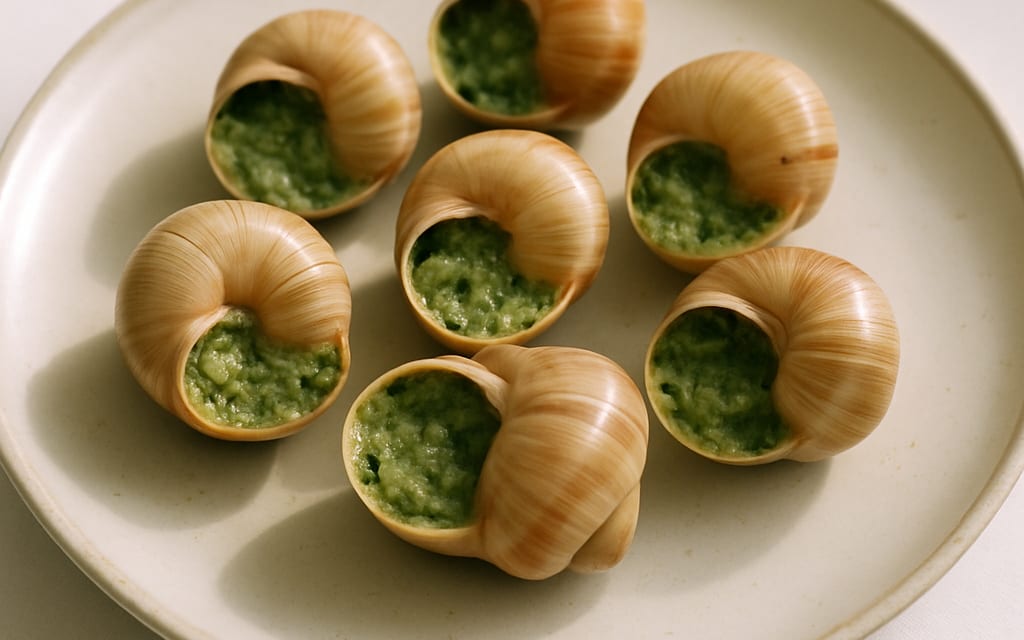
📸Gallery

📋Eligibility — by region
🇮🇳India
- Wildlife Protection Act consideration — Achatina fulica (giant African snail) is officially invasive; many states restrict farming. Check state animal-husbandry / fisheries policy.
- FSSAI license mandatory for processed escargot (frozen, canned, vacuum-packed).
- State agri / fisheries dept clearance — niche category typically under "alternative livestock".
🇺🇸USA
- USDA APHIS PPQ Permit (Plant Protection & Quarantine) mandatory for any Helix species — Helix aspersa heavily restricted as invasive in California, Florida.
- State Department of Agriculture invasive-species clearance + import permit.
- FDA food-facility registration if processing.
🇬🇧UK
- EU non-native species regulations apply (carried over post-Brexit). Helix aspersa farming permitted with notification.
- FSA shellfish-hygiene-adjacent rules (snails treated similarly to molluscs for food hygiene).
🇪🇺EU
- EU Reg 178/2002 + Reg 853/2004 hygiene-of-food-of-animal-origin compliance.
- Country examples: France SIQO Label Rouge / IGP Bourgogne escargot quality labels; Italy heliciculture under MIPAAF.
🌏Australia / Canada / others
- AU: state biosecurity laws strict on Helix species — Western Australia / Queensland virtually banned. CA: CFIA + provincial — Helix aspersa permitted under permit.
🏗️Setup requirements (capex breakdown)
Edit any value to match your local prices — totals update live and flow into the calculator below.
| Item | Specification | Cost (₹) |
|---|---|---|
| Net house + enclosure | 100 sqm shade-net house, raised beds, drainage | |
| Breeding stock | 1000 snails of approved species (Helix aspersa) | |
| Substrate + moisture system | Compost soil, sprinklers, humidity sensors | |
| Feed bins + processing tools | Feeders, freezer for processed product | |
| Shed deposit + boundary | Lease deposit, fencing, signage | |
| Working capital | 6 months feed + utilities + labour | |
| Total capex | ₹2,30,000 | |
| Year | Revenue | Cost | Profit | Cumulative |
|---|
⚠️Risks & mitigation
- Invasive-species regulatory crackdowns: Many countries (US, AU) restrict or ban Helix farming. Mitigate by securing all permits upfront & planting only the approved species for your jurisdiction.
- Slow grow-out cycle: 1.5–2 years from egg to market-size snail. Means delayed first revenue. Mitigate by overlapping batches & intercropping (mushroom or vermicompost) to generate interim cash flow.
- Escargot export-market dependency: 80% of premium price comes from EU buyers. Diversify into Asian gourmet (Japan, China) markets & domestic luxury restaurants.
- Climate sensitivity: Snails need 75-85% humidity & 18-25°C. Mitigate via automated sprinklers, shade-net, and avoid summer-heat zones.
💰Funding & support programs
🇮🇳India
- PMFME (PM Formalisation of Micro Food Processing Enterprises): 35% credit-linked subsidy up to ₹10L for niche food units.
- NABARD: Agricultural diversification soft loans for alternative livestock.
- KVIC: margin-money grants for women-led SHGs running niche-food micro-units.
🇺🇸USA
- USDA Value-Added Producer Grant (VAPG): up to $250k for processed niche-food enterprises.
- SBA Microloan: up to $50k for equipment + working capital.
🇬🇧UK
- Innovate UK Agri-Tech Catalyst: grants for novel-food / alternative-protein ventures.
- Start Up Loans: £500–£25k at 6% APR.
🇪🇺EU
- LEADER programme: CAP Pillar II local action group grants for rural diversification.
- LIFE Biodiversity grants: for biodiversity-friendly farming practices.
🌏Australia / Canada
- AU: Niche Livestock Industry Development grants (DAFF, state-level).
- CA: AgriInnovate Program — up to $10M for novel food ventures.
📄Generate project report (Word + PDF)
Fill in your details — defaults are pre-populated. Click Print as PDF for a browser-printable PDF or Download Word for an editable .docx file usable in PMFME / bank loan applications.
❓FAQ
Which snail species — Helix aspersa or Achatina fulica?
Helix aspersa (petit-gris) is the EU escargot standard — premium pricing, regulatory-friendly. Achatina fulica (giant African) yields more meat but is officially invasive across India / US / AU — many states restrict or ban it. Always check local laws first.
How long does it take to break even?
Snails take 12–18 months from egg to market size. First commercial harvest typically 14–18 months after setup. With PMFME 35% subsidy on ₹2.3L capex, break-even is 18–24 months. Without subsidy, 24–30 months.
Is there really demand?
Yes — global escargot market ~$1.5bn, growing 4-6% annually. France imports 60,000 tonnes/year. China and Japan are rapidly growing gourmet markets. Domestic India market is small but premium hotels & embassies buy at ₹2000-3000/kg.
What do snails eat & how much labour is needed?
Snails eat lettuce, cabbage, cucumber peels, bran, calcium supplement (eggshell powder). Labour: ~1 hour/day for 1000 snails (feeding + moisture check). A family can manage 5000–10000 snails part-time.
How do I actually sell escargot?
Three channels: (1) Live/frozen wholesale to MPEDA-registered seafood exporters for EU. (2) Vacuum-packed processed escargot direct to 5-star hotels & gourmet retailers (₹2000+/kg margin). (3) Online D2C via Amazon Specialty Stores / Instagram — adds 30-40% margin.