🛍️ E-commerce store business — investment, profit & project report
Plan a D2C e-commerce brand: inventory + Shopify capex, photography, warehouse, AOV / gross-margin economics, ad spend, break-even and 5-year profit. Currency-aware (₹/$/€/£/¥ — pick from the header dropdown). Includes downloadable project report in Word & PDF for loan applications.
📸Gallery

📋Eligibility — by region
🇮🇳India
- GST registration mandatory for inter-state sale. IEC (Import-Export Code) for exports. Udyam (MSME) registration recommended.
- Category-specific: FSSAI for food, BIS / hallmark for jewellery, Drugs & Cosmetics Rules for beauty, Legal Metrology Act for packaged goods.
- Consumer Protection (E-Commerce) Rules 2020 — display country-of-origin, MRP, customer-grievance officer.
🇺🇸USA
- EIN + state seller permit. Sales-tax nexus per state (post Wayfair v. South Dakota — economic nexus typically $100k or 200 transactions).
- FTC Mail Order Rule (30-day shipping). MoCRA registration if cosmetics. CPSC compliance for kids' products.
- LLC recommended for liability; Schedule C / 1120-S filing.
🇬🇧UK
- VAT registration if turnover > £85k. OPSS product-safety compliance (UKCA marking post-Brexit).
- Consumer Contracts (Distance Selling) Regulations — 14-day no-questions-asked returns.
🇪🇺EU
- OSS (One-Stop Shop) VAT scheme for cross-border B2C. EORI number for customs. Country distance-selling thresholds (€10k EU-wide).
- GDPR-compliant checkout, cookie consent, DPA with payment / fulfilment vendors.
🌏Australia / Canada / others
- AU: GST if turnover > A$75k + ACL consumer guarantees (Australian Consumer Law).
- CA: GST/HST + provincial sales tax + Consumer Protection Act per province.
🏗️Setup requirements (capex breakdown)
Edit any value to match your local prices — totals update live and flow into the calculator below.
| Item | Specification | Cost (₹) |
|---|---|---|
| Initial inventory | 150 SKUs × ₹1,500 avg cost (3-month cover) | |
| Website + Shopify Plus + apps | Shopify subscription + Klaviyo + reviews + apps (1-yr) | |
| Photography + content | Studio + lifestyle shoots + video | |
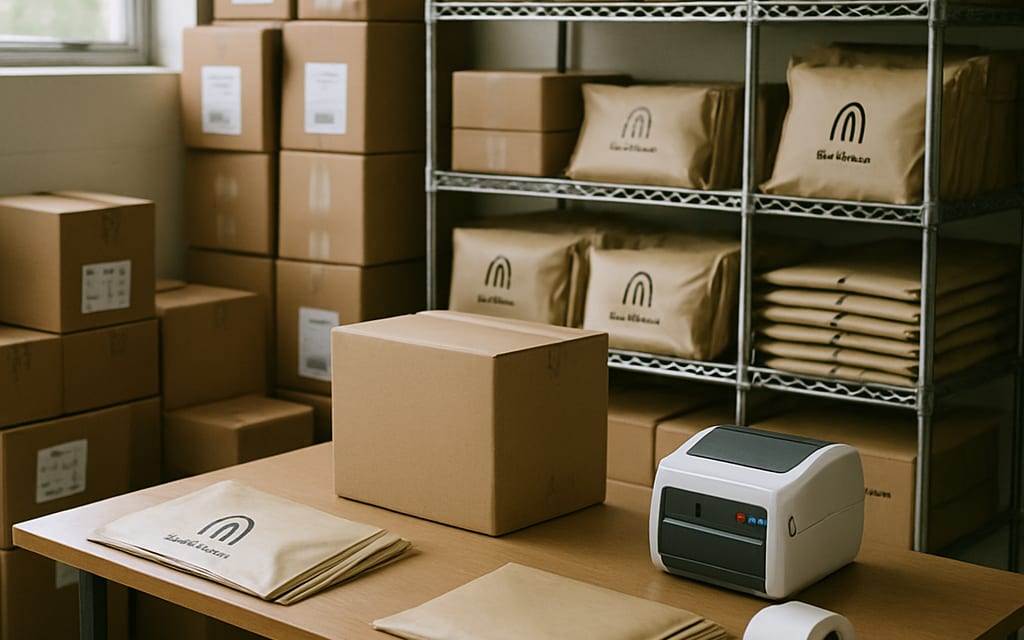
| Warehouse + packing | Rack + packing station + label / thermal printer | |
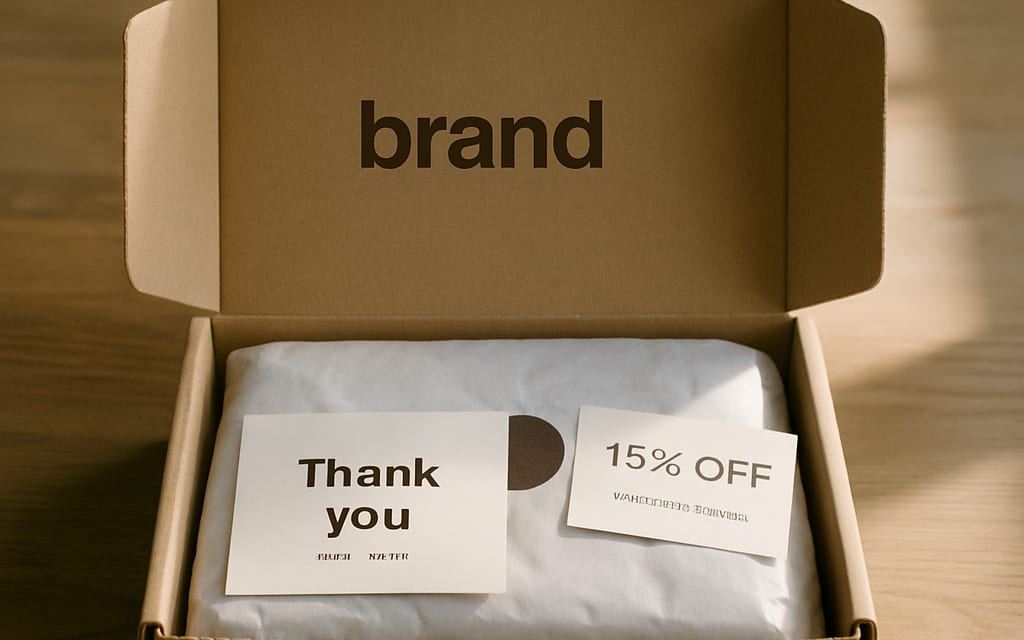
| Branding + custom packaging | Logo, mailer boxes, tissue, insert cards (initial run) | |
| Working capital (1 month) | Initial ad spend + staff + restock buffer | |
| Total capex | ₹6,15,000 | |
| Year | Revenue | Cost | Profit | Cumulative |
|---|
⚠️Risks & mitigation
- Inventory obsolescence: Keep no more than 60–90 days cover. Run weekly slow-mover reports; clearance + bundling to liquidate before end-of-season.
- Ad-CAC inflation: Build organic channels (SEO, email, UGC, influencer seeding) so paid ads stay below 30% of revenue. Test new creatives weekly.
- Returns / damages: Invest in protective packaging. Tighten size guides + photos. Target return rate below 5% (apparel) / 2% (consumables).
- Marketplace policy changes: Amazon FBA fee hikes, suspended listings. Mitigation: own D2C site + multiple marketplaces (Amazon, Flipkart, Meesho, own store).
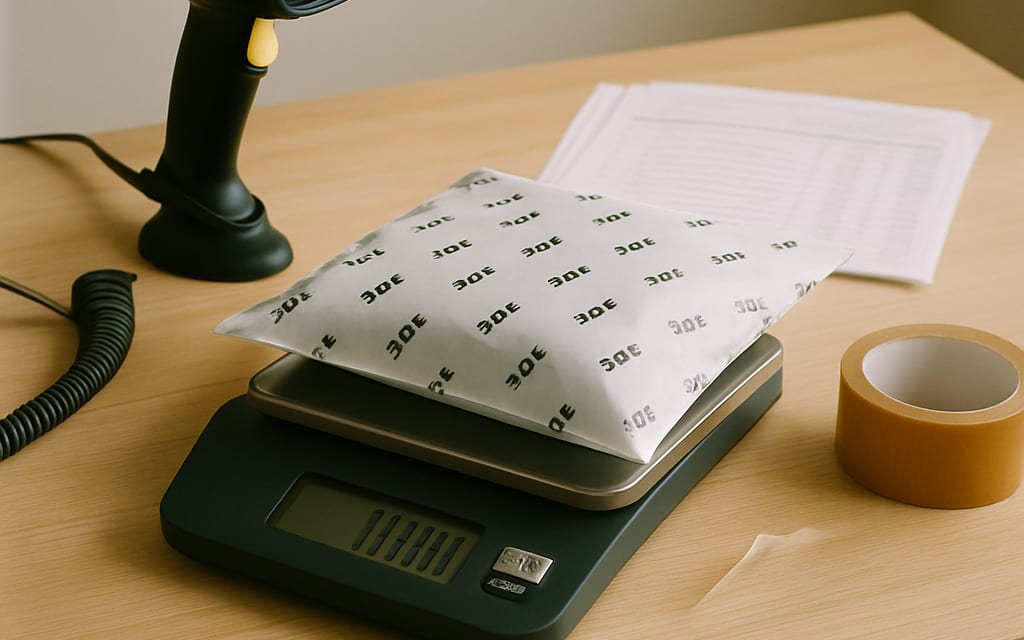
- Fulfilment errors: Barcode-scan pick-pack workflow, 2-step QC, weekly inventory reconciliation.
💰Funding & support programs
🇮🇳India
- MUDRA Tarun: up to ₹10L collateral-free for established e-commerce businesses.
- Stand-Up India: ₹10L–1Cr for women / SC / ST entrepreneurs.
- PMEGP: 15–35% margin-money grant for manufacturing-cum-trading micro-units.
- SIDBI D2C / e-commerce scheme: term loans up to ₹2Cr for D2C brands.
🇺🇸USA
- SBA 7(a): up to $5M for inventory + working capital + equipment.
- SBA Express: up to $500k with faster approval.
- Shopify Capital: revenue-based financing $200–$2M, no credit check, repay as % of sales.
- Amazon Lending: term loans up to $750k for FBA sellers.
🇬🇧UK
- Start Up Loans: £500–£25k at 6% APR for new e-commerce founders.
- British Business Bank Recovery Loan Scheme: £25k–£2M with government guarantee.
- Innovate UK Smart Grants: non-dilutive funding for innovative D2C products.
🇪🇺EU
- BPI France: term loans + e-commerce growth grants.
- Country examples: Germany KfW StartGeld, Spain ENISA, Italy Smart&Start for digital businesses.
🌏Australia / Canada
- AU: Boosting Female Founders Initiative, Export Market Development Grants (EMDG) for cross-border sellers.
- CA: BDC Small Business Loan up to C$100k, Futurpreneur loan + mentoring.
📄Generate project report (Word + PDF)
Fill in your details — defaults are pre-populated. Click Print as PDF for a browser-printable PDF or Download Word for an editable .docx file usable in bank loan applications.
❓FAQ
How much working capital do I really need for an e-commerce launch?
Plan for 3 months of inventory + 3 months of ad spend + 3 months of fixed costs before break-even. For the default scenario that's roughly ₹3–6L on top of one-time setup costs.
Shopify vs WooCommerce vs custom?
Shopify is fastest to launch (live in 1–2 weeks), best for ₹0–10Cr revenue. WooCommerce for tight budgets / unusual workflows. Custom only above ₹50Cr revenue or with bespoke catalogue logic.
What's a healthy CAC vs AOV ratio?
Aim for CAC under 30% of AOV at month 6+. Above 50% the unit economics break unless repeat-purchase rate is >40%.
Should I hold inventory or dropship?
Own-inventory wins on margin (40–60% vs 15–25%), shipping speed, and brand experience. Dropshipping wins on cash flow + zero risk but margins shrink and customer-service quality dips.
How do I handle returns?
Reverse-pickup integration with Shiprocket / Delhivery (India) / ShipBob (US). Stock a "returns to refurbish" SKU. Quality-check returned items before restocking; clearance damaged units at 50–60% MRP.